
7 Apps That Can Help You Improve Customer Experience
December 21, 2022
Last Modified On: August 12, 2026

Customer experience directly affects your bottom line: customer-centric companies are widely reported to be 60% more profitable than those that aren’t, a figure that traces back to Deloitte research and gets cited across dozens of CX studies. Customer expectations keep climbing too, same-day delivery and instant answers are now the baseline, not a bonus.
The good news: cloud technology makes meeting those expectations affordable for businesses of any size. Here are 7 apps worth considering, and what’s changed about each since AI reshaped customer service.
7 Apps at a Glance
Here’s a quick summary before the details on each below:
| # | App Type | Best For |
|---|---|---|
| 1 | Online survey tools | Structured feedback at scale |
| 2 | AI-powered chatbots | Instant answers, 24/7 |
| 3 | Business mobile app | Mobile-first ordering and support |
| 4 | Social and messaging support | Meeting customers where they already are |
| 5 | VoIP phone system | One number across desk, home, and mobile |
| 6 | Text notification apps | Shipping updates, reminders, alerts |
| 7 | All-in-one CRM and sales platform | A single customer record across teams |
1. Online Survey Applications
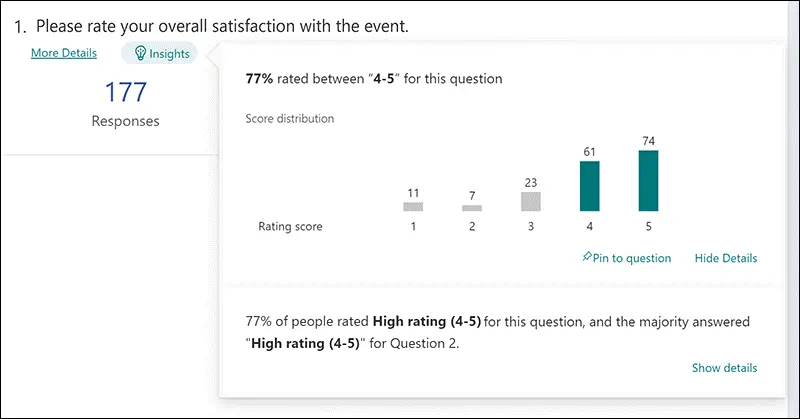
An annual customer satisfaction survey is a simple way to check in, but a Word document emailed back and forth is far behind what’s available now.
Online survey tools, several bundled directly into Microsoft 365, let customers respond from any device with no attachments to manage. Results appear instantly, no manual collating required.
2. AI-Powered Chatbots
This is the category that’s changed the most since 2022. Chatbots are no longer simple scripted responders, they’re increasingly AI agents capable of handling real conversations.
Roughly 80% of companies are now using or planning to adopt AI-powered chatbots for customer service, according to recent industry data, and these tools can now resolve up to 80% of routine questions without a human agent.
Adoption varies sharply by industry: telecom leads adoption at 95%, with banking close behind at 92%. A well-implemented chatbot gives customers an instant answer any time of day, freeing your team to focus on the questions that actually need a person.
3. Business Mobile App
People live on their phones, and mobile is now the default way customers connect with businesses, not an alternative channel. A dedicated business app lets customers order products, request support, or start a virtual call without hunting for your website. For businesses with repeat customers, this is often the highest-leverage app on this list.
4. Social and Messaging App Support
Customers increasingly expect to reach a business the same way they message friends and family, through platforms like Messenger, WhatsApp, or Instagram DMs. Offering support through these channels lowers the barrier to asking a question, and a fast reply through a familiar app can meaningfully improve how a customer feels about your company.
5. VoIP Phone System With a Good Mobile App
Juggling different numbers for different staff confuses customers fast. A VoIP phone system gives each employee one number that works at their desk, at home, or on their phone.
The mobile app matters as much as the desk experience: if it’s clunky, staff will default back to personal numbers, which defeats the purpose entirely.
6. Text Notification Apps
SMS has become a primary channel for shipping updates, appointment reminders, and sale alerts, not just email’s backup. Customers who opt in generally welcome these updates, since a text is faster to glance at than an email. Several dedicated services make this straightforward to set up without building anything custom.
7. All-in-One CRM and Sales Platform
Few things frustrate customers more than a disconnect between sales and support, where a customization discussed with sales never makes it to the support team. An all-in-one CRM and sales platform keeps a single customer record that both teams can see, so notes and history travel with the customer instead of getting lost between departments. This cuts dropped balls and keeps everyone working from the same information.
Choosing the Right Tools for Your Business
Not every business needs all 7 at once. Start with whichever gap is costing you the most customers today, slow response times usually point to a chatbot or messaging gap, while disconnected sales and support point to a CRM problem.
Our IT strategy consulting services can help prioritize which of these makes the most sense for your current setup, and our ICT trends 2026 overview covers how AI is reshaping the broader technology landscape these tools sit inside.
Get Help With Customer Experience Technology
It’s easy to get lost navigating dozens of cloud applications that all claim to fix the same problem. CloudConsole’s managed IT services can help you evaluate, implement, and support the right mix of tools for your business. Contact us today for a free consultation, or send us an email at info@cloudconsole.ph.
Frequently Asked Questions
What apps improve customer experience the most?
It depends on your biggest gap today, but AI chatbots and an all-in-one CRM tend to have the broadest impact, since they address the two most common frustrations: slow responses and disconnected information between sales and support.
Are AI chatbots worth it for small businesses in 2026?
Generally yes. Chatbots now handle up to 80% of routine questions, and adoption has become mainstream across nearly every industry, so a well-implemented one can meaningfully cut response times without adding headcount.
What is an all-in-one CRM and sales platform?
It’s a cloud platform that combines customer relationship management and sales tracking into a single customer record, so sales and support teams both see the same notes and history instead of working from separate systems.
Why do customer-centric companies perform better financially? Widely cited Deloitte and Touche research found customer-centric companies to be 60% more profitable than those that aren’t, largely because satisfied customers stay longer, spend more, and cost less to retain than new customers cost to acquire.
What’s the difference between a business mobile app and messaging support? A business mobile app is a dedicated app customers download for ordering and support, while messaging support meets customers inside platforms they already use daily, like WhatsApp or Messenger. Most businesses benefit from offering both rather than choosing one over the other.
This Article has been Republished with Permission from The Technology Press.